Learn to value yourself
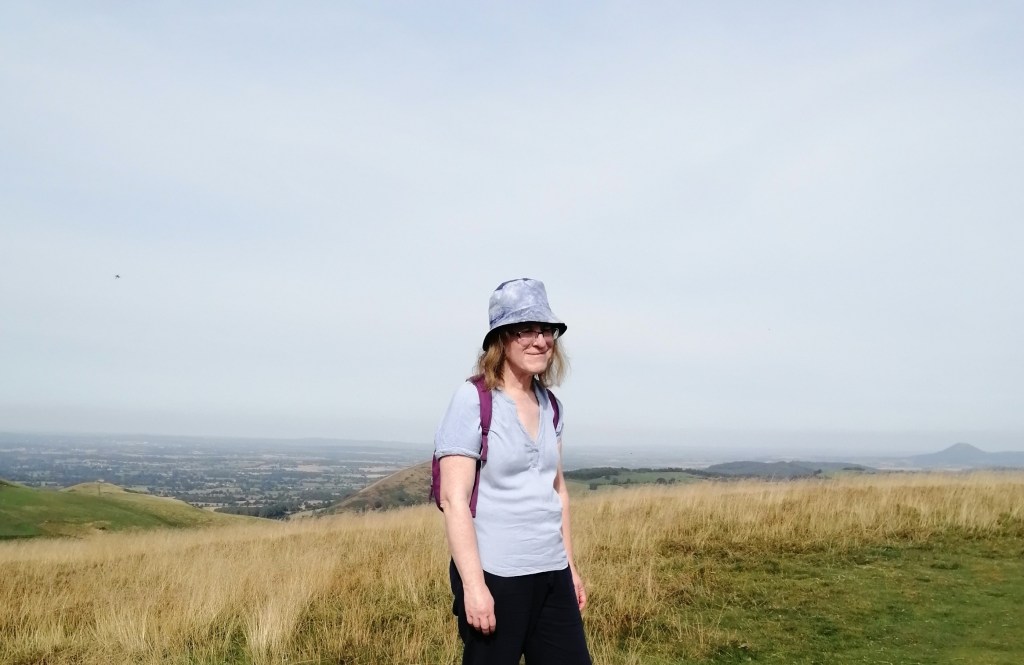
To have doubts and fears about social transition is to be human. Part of this is being intensely self-critical. Every aspect of your appearance, and even your voice, comes under scrutiny. Will you be considered ugly, even mocked for how you look? Will you ever really pass? For example, at the moment this photo was taken I felt like a mess, I didn’t feel that this was how I wanted people to see me.
Guess what though? For many many people, including all your true friends, it doesn’t matter whether or not you look amazing. What they see is a person facing their fears and doing it anyway, making courageous choices and overcoming obstacles in a quest for happiness.
Our lives are inspirational in ways that we often don’t see. Coming to terms with this can be part of the process of learning to value who we are now and be kinder to ourselves. And creating a record of your transition is one way of doing this. By creating this record, you’re owning your own transition, and taking a huge step toward accepting that your story has meaning and value.
Another dimension to it is that creating the record is like a reminder to yourself of the things that you set out to achieve, and can provide that little bit of extra motivation to keep moving forward.
Answer the questions that people are hesitant about asking
If my experience is anything to go by, so many questions hung unspoken. And with good reason much of the time: not everyone wants to share intimate personal information, and just because someone is trans doesn’t mean that they should be subjected to interrogations by all and sundry.
There’s all kinds of information though which may not come up in conversation, but which I’d like my friends and family to be aware of. Your list may be different from mine, but mine would probably include when did I know that I was trans, what made me decide to transition, what was the pathway for accessing medical care and what obstacles did I face, how has my body changed through taking the hormones, how has transitioning affected my social life, and what changes have I seen in how I’m treated by others.
Imagine if you could write a blog or a long email about your transition, deciding what information you want to share, and who you want to share it with. What would this mean for you – and for them ? Aside from anything else, I’m a strong believer that sharing personal information can be a powerful way of bringing people closer together.
Educate people
Every transition story is a seed of knowledge planted in the world.
For most of my life I never knew what it meant to be trans. How did I learn ? In no small part, through the words of trans people themselves – in TV documentaries, in blog articles, and in print. I found these because I was curious, because I was seeking them out. If you’re not trans, it’s much more haphazard what information is likely to come your way. Especially now, when disinformation about trans people is rife in all mainstream media.
It doesn’t matter if you’re not a celebrity. In fact in some ways it’s better if you’re not. The whole point of telling trans stories is to break down myths and stereotypes. Trans people come from all walks of life, we do all kinds of jobs, and as people we’re no different from anyone else. So you’ve made mistakes, so you have character flaws ? You never know, maybe you can turn these to your advantage, by making it easier for others to relate to you.
What you’ve done is amazing. It’s something that 99% of people will never experience. And the more of us who tell their own story in a way that’s honest and relatable, this all helps others to understand better who trans people are, and what it is to be trans.
What would I have to do ?
A hundred years ago, your options would have been pretty much limited to handwriting lengthy letters. Today, you’ve got many more (and better!) options at your disposal.
- Record a video. The only equipment that you need is a mobile phone. Subject to any file size restrictions, the video can be posted on social media, shared on WhatsApp, or even published on YouTube. The main trick is to figure out exactly what you want to say before you press record.
- Write a personal testament to send to selected family and friends. This could take many forms: it could be more like a letter, or a diary, or a narrative. You could choose to send it by email, by WhatsApp, by social media. You can play around with it, add photos, add as much formatting as you want.
- Write a blog article for anyone to read. Ideally what you want for this is an open platform site like Medium, or a blog building site like WordPress, or your own website.
- Write a book about your life. You’re probably not going to find a publisher for it unless you happen to be a celebrity, but these days it’s relatively easy and affordable to self-publish an e-book.
If any of these options are of interest, I’d be delighted to speak to you and explore how I can assist you. Please contact linda62@gmx.co.uk for a free consultation.
 Optimism of the Will